
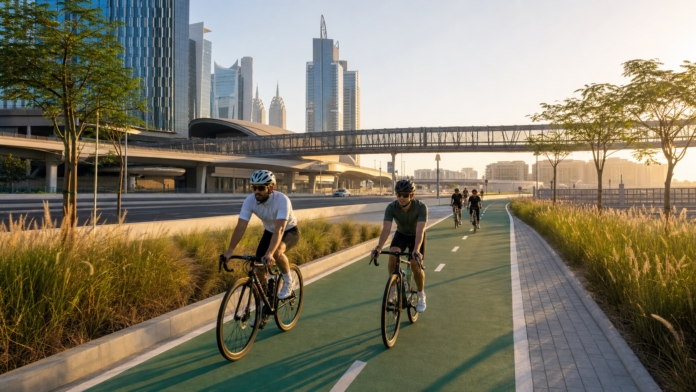

Hessa Street cycling route is now one of Dubai’s most interesting new active-mobility links, giving riders and e-scooter users a more connected urban path across key communities. The project is built around a 13.5km dedicated track linking Al Sufouh with Dubai Hills.
For residents, the story is bigger than a weekend ride. It connects fitness, last-mile movement, Metro access and safer mobility in neighbourhoods where short car trips often dominate daily routines.
Where The Route Runs
The Hessa Street cycling route is designed to link Al Sufouh and Dubai Hills, while serving areas around Dubai Internet City, Barsha Heights, Dubai Hills Mall and nearby residential communities.
That makes it useful for people who want a structured ride, but also for commuters who need a cleaner connection between homes, offices, shops and public transport.
How Long Is The Route?
The dedicated cycling and e-scooter track is planned at about 13.5km. It forms part of a wider Hessa Street development programme that includes road, bridge and mobility improvements across a busy east-west corridor.
Official project details also point to a strong capacity target, with the route able to handle thousands of users per hour once all elements are fully operational.
Bridge Links And Metro Access
The route includes architecturally distinctive cycling and pedestrian bridges over major road corridors, including Sheikh Zayed Road and Al Khail Road. These bridges are important because they remove some of the hardest crossing points for cyclists and walkers.
The project also connects with Dubai Internet City Metro Station, which gives riders a useful public transport anchor. That kind of link is what turns a cycling track from a leisure route into real city infrastructure.
Why It Matters In Summer
Dubai’s summer can make outdoor activity difficult, but early mornings and cooler evenings still attract riders. A dedicated route gives cyclists a safer and clearer place to move, especially away from mixed traffic.
For families, the route can also support shorter neighbourhood rides when conditions are suitable. The key is to avoid peak heat, carry water and choose safe timings.
Residents can use the RTA portal for official mobility updates. Dubai Bliss readers can also check Dubai Mallathon and Dubai Active Summer for more fitness options.
What To Check Before Riding
Before using the route, riders should check the exact open sections, access points and bridge status. Some large mobility projects open in stages, and the safest approach is to confirm current availability before planning a long ride.
Riders should also follow lane rules, use lights in low visibility, keep speeds reasonable around pedestrians and avoid using phones while moving. E-scooter users need to follow Dubai’s relevant safety rules and permitted-area guidance.
For Dubai, this is the kind of project that slowly changes behaviour. A useful cycling route can reduce short car trips, support Metro use and make healthier movement feel more normal.
The route also gives serious riders a more urban alternative to destination tracks. Dubai already has popular cycling areas for training, but a city corridor is different because it connects everyday places rather than operating only as a sport zone.
That is why the Hessa link has search value for both residents and visitors. It answers a simple practical question: where can people ride safely in a part of Dubai that is filled with offices, malls, hotels and homes?
FAQs
How long is the Hessa Street cycling route?
The route is planned at about 13.5km. It links Al Sufouh and Dubai Hills through a dedicated cycling and e-scooter track.
Which areas does the route serve?
It serves areas around Al Sufouh, Dubai Hills, Dubai Internet City, Barsha Heights and nearby communities. It also connects with Dubai Internet City Metro Station.
Can e-scooters use the route?
The project includes cycling and e-scooter track elements. Users should still follow Dubai’s rules for permitted areas, safety equipment and responsible riding.
Should riders check the route before going?
Yes. Large infrastructure projects can open in phases, so riders should confirm current access points and bridge status before planning a full route.