
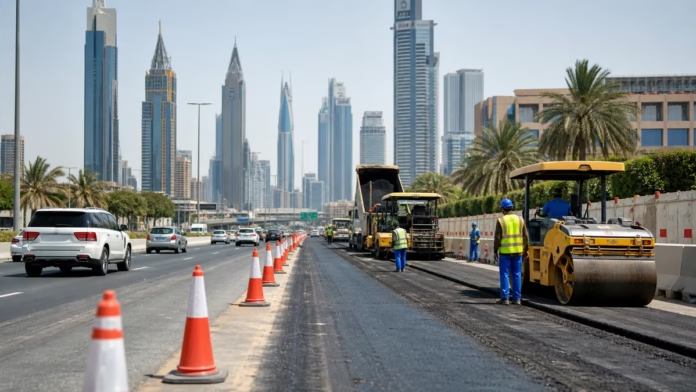

Dubai roadworks are moving across several key corridors, with major upgrades underway on Umm Suqeim Street, Al Wasl Road, Al Safa Street and Jumeirah Street. For drivers, the important point is not just where the work is happening, but how much road capacity is expected to improve once the projects are complete.
The upgrades target everyday pressure points used by residents, school buses, delivery vehicles, taxis and commuters moving between residential communities, beaches, business districts and Sheikh Zayed Road links.
Umm Suqeim Street Upgrades
Umm Suqeim Street is getting one of the biggest improvements in the current roadworks push. The project covers six intersections and includes four bridges, two tunnels and capacity rising to around 16,000 vehicles per hour.
That matters because Umm Suqeim Street connects busy residential and commercial areas. When capacity improves on a corridor like this, the benefit can spread to school runs, beach trips, weekend shopping and daily cross-city movement.
Al Wasl Road Changes
Al Wasl Road upgrades cover about 15km, with lanes widening from two to three in each direction. The plan also includes five new tunnels, which should help traffic move more smoothly through busy junctions.
Al Wasl is a high-demand route because it runs close to established neighbourhoods, clinics, shops, schools and coastal destinations. Even small delays can build quickly during morning and evening peaks.
Al Safa Street And Jumeirah Street
Al Safa Street improvements include widening, signal upgrades, two bridges and two tunnels. Capacity is expected to rise from around 6,000 vehicles per hour to about 12,000 vehicles per hour.
Jumeirah Street upgrades cover seven intersections, including Al Thanya, Al Manara, Umm Al Sheif, Al Urouba, 39B Street, Al Hudaiba and 2nd December Street. These are important areas for beach traffic, schools, homes, hotels and community services.
What Drivers Should Expect
Roadworks can create temporary diversions, lane changes and slower journeys before the long-term benefits arrive. Drivers should allow extra time near active works, follow temporary signage and avoid sudden lane changes around construction zones.
The most useful habit is to check routes before leaving, especially during school pickup windows, Friday traffic, weekend beach trips and peak evening movement. A corridor that was clear last week may have a new temporary layout this week.
For official route planning and service updates, residents can use the RTA portal. Dubai Bliss readers can also check related transport updates such as Dubai Harbour Bridge and Dubai RTA June road upgrades.
Why These Upgrades Matter
Dubai’s busiest roads do more than carry cars. They support schools, malls, beaches, hospitals, hotels and last-mile logistics. When a major corridor improves, it can reduce the daily friction residents feel across multiple routines.
The projects also show how road capacity, public transport and smart traffic management are being upgraded together. Dubai is still growing, and older corridors need new capacity to keep up with heavier demand.
For residents, the short-term inconvenience can still feel real. A school run that usually takes 20 minutes can stretch when lanes shift or a familiar turn is closed. Drivers who build in a small buffer will handle the transition better.
Businesses along affected routes should also keep customers informed. Clear delivery instructions, updated map pins and simple parking guidance can prevent confusion while road layouts change.
The main benefit should come after the works settle. Wider lanes, tunnels, bridges and signal improvements are designed to remove bottlenecks that slow traffic every day, not only during big events.
FAQs
Which roads are included in the latest Dubai roadworks?
The main corridors include Umm Suqeim Street, Al Wasl Road, Al Safa Street and Jumeirah Street. Several intersections and connecting routes are also part of the improvement programme.
What is changing on Umm Suqeim Street?
Umm Suqeim Street upgrades include six intersections, four bridges, two tunnels and increased capacity to around 16,000 vehicles per hour.
Will Al Wasl Road get more lanes?
Yes. Al Wasl Road is being widened from two to three lanes in each direction across about 15km, with five tunnels planned.
Should drivers expect delays during the works?
Drivers should expect temporary changes near active work zones. Checking routes before leaving and allowing extra time is the safest approach.