
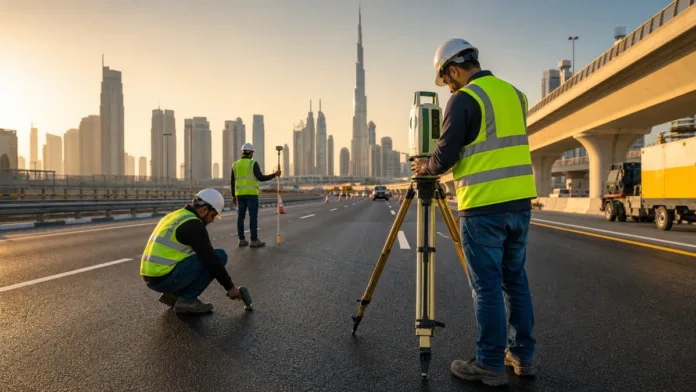

Dubai RTA road maintenance works have covered 17 kilometres of asphalt roads across the emirate, giving drivers a fresh update on the city’s ongoing push to keep key routes safer, smoother and ready for growth.
The maintenance and rehabilitation programme covered nine streets and six areas by early June 2026. The works included major roads, residential and industrial areas, and a cycling track.
For residents, the headline is simple: Dubai is not only building new road links. It is also investing in preventive maintenance on existing streets before cracks, potholes and surface damage turn into bigger problems.
Which Roads Were Covered?
The completed works covered several important routes used by daily commuters, families, delivery vehicles and business traffic.
The list includes Sheikh Mohammed bin Zayed Road, Al Khawaneej Street, Baghdad Street, Al Manama Street, Algeria Street and King Salman bin Abdulaziz Al Saud Street.
Other roads included Sheikh Zayed bin Hamdan Al Nahyan Street, Riyadh Street, Amman Street, Al Wuheida Street and Zabeel Palace Street.
That mix matters because Dubai’s road network serves very different traffic patterns. Some routes handle heavy cross-city movement, while others connect residential neighbourhoods, schools, industrial zones and commercial areas.
The Six Areas Included In The Works
The maintenance programme also covered internal and industrial areas across Dubai. These included Mirdif, Al Garhoud, Za’abeel 1, Margham, Al Thanyah Fifth and Jebel Ali Industrial 2.
For drivers, road quality in these areas can affect daily routines as much as the larger highways. Residential and industrial streets often carry school runs, work commutes, delivery traffic and service vehicles throughout the day.
Keeping those roads in better condition can reduce wear on vehicles, improve driving comfort and lower the chances of sudden lane changes caused by road damage.
How Technology Was Used
One of the most useful details in the Dubai RTA road maintenance update is the use of laser scanning and artificial intelligence technologies.
These tools help identify cracks, potholes and road-surface damage before they become major defects. That turns maintenance into a planned process rather than a purely reactive one.
For a fast-growing city, that approach is important. A damaged road surface can affect safety, traffic flow and repair costs. Finding issues early can make roadworks more targeted and less disruptive.
Why Preventive Maintenance Matters
Preventive road maintenance is not always as visible as a new bridge or a major interchange, but it is part of what keeps a city moving.
Dubai’s roads carry commuters, buses, taxis, logistics fleets, school transport and tourists every day. If maintenance falls behind, small defects can create sudden braking, lane changes, vehicle damage and longer repair closures later.
Dubai Bliss readers have seen the city invest heavily in transport upgrades, from Dubai bus lane commute improvements to new cycling and pedestrian projects. Road maintenance supports that wider mobility picture by protecting the network people already use.
What Drivers Should Watch For
Even after major works are completed, motorists should stay alert around areas where temporary diversions, lane changes or follow-up maintenance activity may still appear.
Drivers should follow traffic signs, reduce speed near work zones and avoid sudden lane changes. These basic habits are especially important on roads that carry a mix of cars, buses, delivery vehicles and heavy transport.
Motorists can also use official transport channels for live updates, journey planning and service information. The Roads and Transport Authority website remains the main public hub for Dubai transport services and announcements.
Why This Update Is Good For Residents
The 17km maintenance update is good news because it targets the daily experience of moving around Dubai. Smoother roads can help reduce stress during commutes, improve comfort for passengers and support safer traffic flow.
It also shows how Dubai is using data-led maintenance instead of waiting for road damage to become obvious. That is especially useful in summer, when road surfaces face heat, heavy use and constant traffic pressure.
For industrial and logistics areas, better roads can support deliveries and business movement. For residential areas, the benefit is often felt in quieter, smoother and more predictable local driving.
How It Fits Dubai’s Wider Transport Plans
Dubai is expanding roads, public transport, cycling routes, pedestrian links and future airport connections at the same time. Maintenance keeps the existing network strong while those larger projects continue.
Recent Dubai Bliss transport coverage has included Hessa Street cycling route updates and wider road-safety stories. The maintenance programme belongs in the same practical category: small changes that improve daily movement.
For residents, the takeaway is straightforward. Expect Dubai to keep combining new infrastructure with upgrades to existing roads, especially on routes that carry high daily demand.
What Happens Next?
Drivers should continue to watch official road signs and transport updates. Preventive maintenance is an ongoing programme, so similar works may appear in other areas as inspections identify new road-surface needs.
For anyone planning regular routes through the listed areas, it is worth allowing a small buffer during peak periods. Even completed maintenance programmes can involve follow-up inspections, lane markings or temporary traffic management.
The wider message is positive. Better road surfaces, smarter inspection tools and targeted maintenance all help keep Dubai’s road network reliable as the city keeps growing.
FAQs
How much road maintenance did Dubai complete?
The completed programme covered 17 kilometres of asphalt roads across nine streets and six areas of Dubai by early June 2026.
Which areas were included?
The covered areas included Mirdif, Al Garhoud, Za’abeel 1, Margham, Al Thanyah Fifth and Jebel Ali Industrial 2.
Which major roads were part of the works?
The list included Sheikh Mohammed bin Zayed Road, Al Khawaneej Street, Baghdad Street, Al Manama Street, Algeria Street and King Salman bin Abdulaziz Al Saud Street, among others.
What technology was used for the road checks?
The maintenance work used laser scanning and artificial intelligence technologies to identify cracks, potholes and road damage before they become bigger problems.