
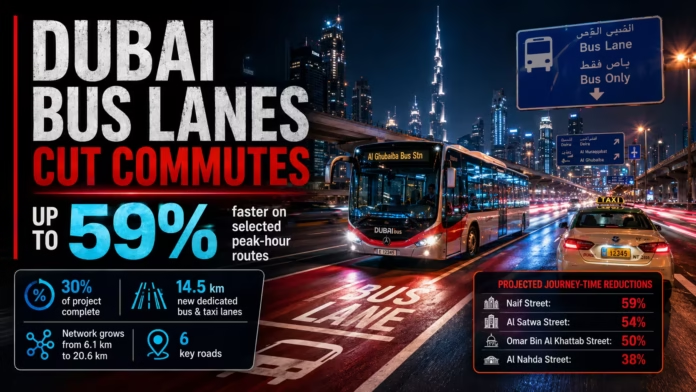

Dubai bus lanes are getting a major boost, with RTA saying 30 percent of a new 14.5km dedicated bus and taxi lane project is now complete. Once finished, the expanded network could cut peak bus journey times by up to 59 percent on selected routes.
The update matters for daily commuters because dedicated lanes are built for one simple promise: buses and taxis should not be stuck in the same traffic pattern as every private car. If the project delivers as planned, it can make public transport more reliable during the busiest parts of the day.
What Dubai Is Building
The project will add 14.5km of dedicated bus and taxi lanes across six busy roads. The corridors include Sheikh Sabah Al Ahmad Al Jaber Al Sabah Street, 2nd December Street, Al Satwa Street, Al Nahda Street, Omar Bin Al Khattab Street and Naif Street.
When the work is complete, Dubai’s dedicated bus lane network will grow from 6.1km to 20.6km. That is a significant jump for a city trying to make public transport more attractive for residents, workers and visitors.
Where Commutes Could Improve Most
RTA expects bus journey times during peak hours to fall by 24 percent to 59 percent on routes using the dedicated lanes. The biggest expected gain is on Naif Street, where journey times could drop by 59 percent.
Al Satwa Street is expected to see a 54 percent reduction, while Omar Bin Al Khattab Street could see a 50 percent cut. Al Nahda Street is expected to improve by 38 percent.
Those numbers are useful because they show the project is not only about adding road paint or signage. The aim is to change how quickly buses can move through corridors where mixed traffic slows everything down.
Why Dedicated Lanes Matter
Dedicated lanes help buses keep to schedules, reduce journey uncertainty and make taxis more responsive. For riders, that can mean less waiting, fewer late arrivals and a stronger reason to choose public transport for routine trips.
Dubai has been trying to shift more journeys away from private vehicles. Faster bus routes support that goal because people are more likely to use public transport when they can trust the timing.
Commuters can check official services and journey tools through the RTA portal. Dubai Bliss readers can also follow related city updates, including Dubai roadworks and Dubai bus AI improvements.
What Drivers Should Expect
Drivers should watch for changing road layouts, lane markings and traffic signs as construction and rollout continue. Dedicated bus and taxi lanes only work when other vehicles respect them, so lane discipline will become important on affected routes.
For private motorists, the project may feel like a small adjustment at first. For bus riders, it could be a major daily improvement if buses move faster through crowded roads and arrive closer to schedule.
How This Fits Dubai’s Transport Direction
The bus-lane expansion sits alongside wider transport work across Dubai, including road upgrades, pedestrian bridges, cycling links and smarter public transport operations. Together, these projects point to a city trying to make movement smoother without relying only on more car lanes.
The biggest test will be the everyday commute. If buses become noticeably faster and more predictable, residents who normally avoid public transport may reconsider it for work trips, errands or connections to Metro stations.
For now, the headline figure is clear: Dubai is expanding priority space for buses and taxis, and some routes could see peak journey times fall by more than half.
FAQs
How much of the Dubai bus lane project is complete?
RTA says 30 percent of the 14.5km dedicated bus and taxi lane project is complete. The project will expand the network across six key roads.
Which roads are included in the new Dubai bus lanes?
The project covers Sheikh Sabah Al Ahmad Al Jaber Al Sabah Street, 2nd December Street, Al Satwa Street, Al Nahda Street, Omar Bin Al Khattab Street and Naif Street.
How much faster could bus journeys become?
Peak bus journey times on routes using the lanes are expected to fall by 24 percent to 59 percent. Naif Street has the highest expected reduction at 59 percent.
Why does Dubai use dedicated bus and taxi lanes?
Dedicated lanes help buses run closer to schedule, improve taxi response times and make public transport more reliable. They also support Dubai’s wider sustainable mobility goals.