
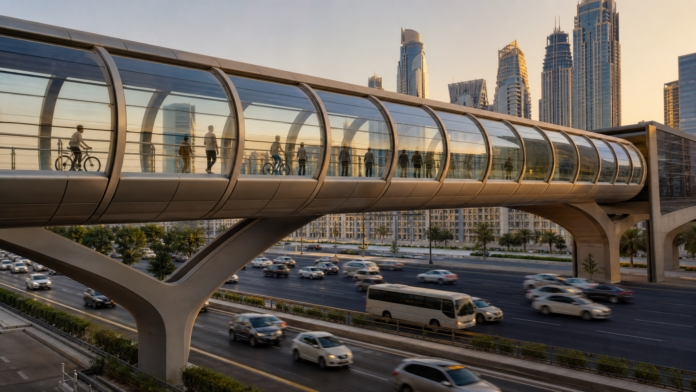

Dubai pedestrian bridges are set for a major expansion, with 31 new bridges and tunnels planned across the city between 2026 and 2030. The latest RTA plan is aimed at making daily movement safer for residents, commuters, cyclists and visitors in high-demand areas.
The new crossings are not cosmetic add-ons. They target the everyday points where people need to cross wide roads, reach public transport, connect with business districts or move between busy residential and commercial zones.
What Dubai Is Adding By 2030
The five-year plan covers 31 new pedestrian bridges and tunnels. Locations are selected based on population density, land use, accident records, public transport links, and nearby tourist or economic destinations.
That approach matters because a pedestrian bridge works best when it solves a real movement problem. A crossing beside a Metro station, school zone, shopping district or busy interchange can change how safely people use an area every day.
How Big Is Dubai’s Current Network?
Dubai had 178 pedestrian bridges and tunnels by the end of 2025, compared with only 26 in 2006. That jump shows how much the city has shifted from road-only thinking toward safer mixed mobility.
RTA has also linked the programme to improved safety outcomes. Pedestrian fatalities fell from 9.5 deaths per 100,000 people in 2007 to 0.22 in 2025, which makes safer crossing infrastructure one of Dubai’s clearest public-service gains.
Where The Crossings Will Matter Most
The plan includes busy routes such as Sheikh Zayed Road, King Salman bin Abdulaziz Al Saud Street, Al Ittihad Road and Omar bin Al Khattab Street. These roads carry heavy traffic and sit close to communities, businesses, hotels and transport links.
For residents, the impact is practical. Safer crossings can make walking to a bus stop easier, reduce risky road crossing, support last-mile Metro journeys and help cyclists and e-scooter users move with fewer conflict points.
Why Cyclists And Walkers Are Part Of The Story
Dubai’s mobility habits are changing. Pedestrian trips rose from 307 million in 2023 to 326 million in 2025. Cycling trips also increased from 46.6 million in 2024 to 57.3 million in 2025.
Those numbers explain why crossings now need to serve more than one kind of user. A modern bridge or tunnel can support walking, cycling, public transport access and safer movement around dense neighbourhoods.
Residents can check official transport services through the RTA portal. Dubai Bliss readers can also follow related city mobility updates, including Dubai roadworks and Dubai Harbour Bridge.
What Residents Should Watch Next
The most useful next detail will be the exact rollout list for each crossing. Some locations will matter more to daily commuters, while others will help tourists, beach visitors, school communities or older residential districts.
Once construction begins in each area, residents should expect temporary diversions or changed walking routes. The final result should be safer, but the build period may require extra planning around familiar streets.
Dubai’s long-term mobility direction is clear: more crossings, more cycling links, better public transport access and fewer unsafe road crossings. For a fast-growing city, that is the kind of quiet infrastructure that improves daily life.
FAQs
How many new Dubai pedestrian bridges are planned?
Dubai plans to add 31 new pedestrian bridges and tunnels between 2026 and 2030. The crossings will target busy locations with safety and connectivity needs.
How many pedestrian bridges and tunnels does Dubai already have?
Dubai had 178 pedestrian bridges and tunnels by the end of 2025. The network has grown sharply since 2006, when the city had 26.
Which roads are included in the plan?
The plan includes important roads such as Sheikh Zayed Road, King Salman bin Abdulaziz Al Saud Street, Al Ittihad Road and Omar bin Al Khattab Street.
Why are the new crossings important?
They improve safety, support public transport access and make walking or cycling more practical. They also reduce risky crossings on major roads.